Manatees of the Indian River Lagoon: Where to See Them, When to Go & What You Need to Know (2026)

Salty's Water Sports Team
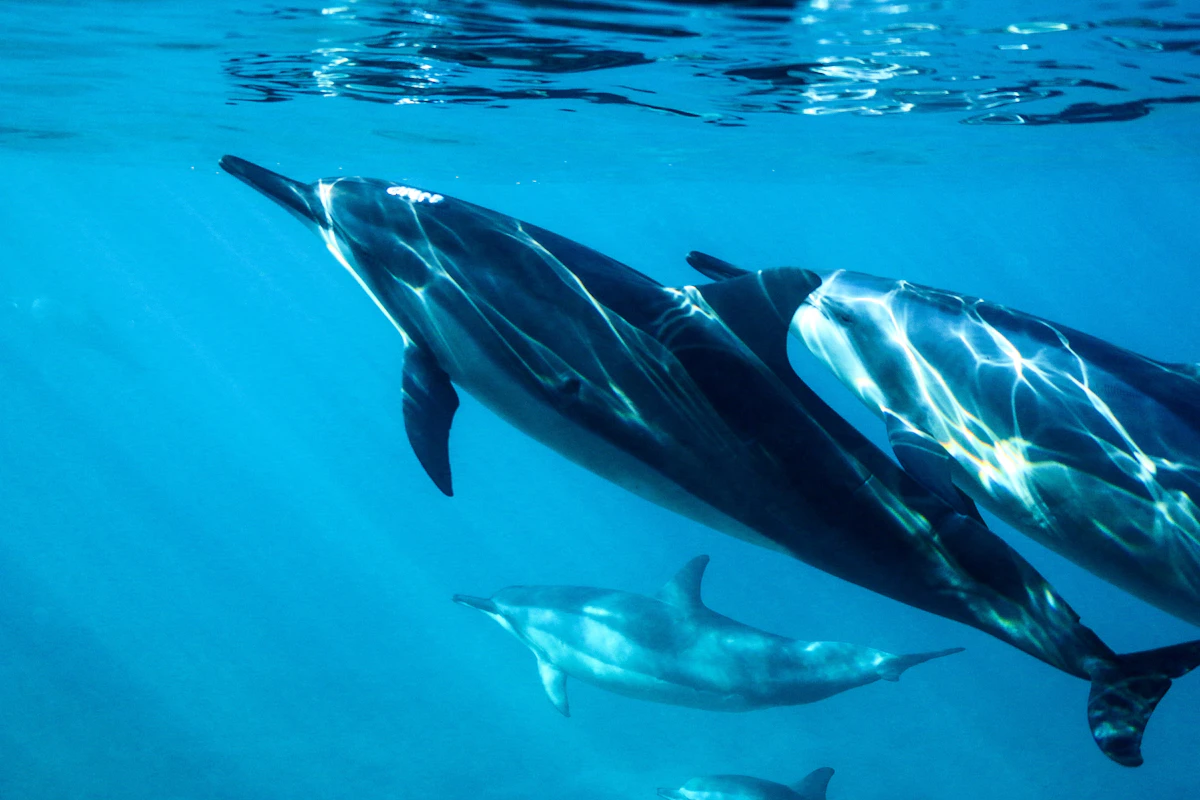
The Indian River Lagoon is one of the best places in the world to see West Indian manatees in the wild — and the Treasure Coast stretch of the lagoon, from Sebastian Inlet south through Fort Pierce, is where these gentle giants are most reliably found year-round. Florida's total manatee population is estimated at over 8,350 animals, making it the largest population in the world, and the Indian River Lagoon serves as critical habitat for manatees in every season. The best way to see them on the Treasure Coast is from the water — and Salty's Water Sports, the only water sports company in St. Lucie County, runs guided tours through the lagoon's manatee zones with a 95% dolphin sighting rate and frequent manatee encounters throughout the year.
What Is the Indian River Lagoon?
The Indian River Lagoon is not actually a river — it's a 156-mile-long estuary system running along Florida's Atlantic coast from Ponce de León Inlet in Volusia County south to Jupiter Inlet in Palm Beach County. It encompasses three connected water bodies: the Indian River, the Banana River, and the Mosquito Lagoon. The lagoon is separated from the Atlantic Ocean by a narrow barrier island (Hutchinson Island and North Hutchinson Island on the Treasure Coast) and connects to the ocean through a series of inlets, including the Fort Pierce Inlet.
The Indian River Lagoon is the most biodiverse estuary in North America, home to more than 4,300 species of plants and animals. It supports over 700 species of fish, 310 species of birds, 36 species of mammals (including the bottlenose dolphin and the West Indian manatee), and the largest documented population of manatees in the United States. The seagrass beds that line the lagoon floor are the primary food source for manatees — a single adult manatee can consume 10–15% of its body weight in seagrass per day, roughly 100–200 pounds.
Why Manatees Love the Indian River Lagoon
Manatees are warm-water mammals that cannot tolerate water temperatures below 68°F (20°C). They use the Indian River Lagoon for several reasons that make it uniquely valuable habitat.
Year-round warm water: The Treasure Coast section of the lagoon, particularly around Fort Pierce and Sebastian, maintains water temperatures above 68°F for most of the year. During winter cold snaps, manatees congregate near the warm-water discharge from the Florida Power & Light (FPL) power plant at Fort Pierce — a phenomenon that makes the Fort Pierce area one of the most reliable manatee viewing spots in Florida during December through February.
Abundant seagrass: The Indian River Lagoon historically contained the most extensive seagrass beds on Florida's east coast. Manatees feed heavily on these beds, and the Treasure Coast section of the lagoon — particularly the shallower areas around Sebastian and Fort Pierce — supports dense seagrass coverage that attracts manatees throughout the year.
Protected waters: The lagoon's calm, shallow waters (averaging 3–4 feet deep) are ideal for manatees, which are air-breathing mammals that surface every 3–5 minutes. The protected environment reduces the risk of boat strikes, which remain the leading cause of manatee injury and death in Florida.
Calving habitat: Female manatees give birth to single calves after a 12–13 month gestation period. The calm, warm waters of the Indian River Lagoon make it ideal calving habitat — mother-calf pairs are commonly observed in the lagoon throughout the year, particularly in the spring and early summer months.
When to See Manatees in the Indian River Lagoon
Manatees are present in the Indian River Lagoon year-round, but the best viewing conditions vary by season.
Winter (November–March): Peak Season. This is the best time to see large concentrations of manatees in the lagoon. As water temperatures in offshore areas and northern Florida drop below 68°F, manatees migrate south and congregate near warm-water sources. The FPL power plant discharge at Fort Pierce creates a warm-water refuge that can attract hundreds of manatees during cold snaps. The Manatee Observation and Education Center in Fort Pierce is at its busiest during this period, and guided tours frequently encounter manatee aggregations of 20–50 animals.
Spring (April–May): Transition Season. As water temperatures warm, manatees begin dispersing from their winter aggregation sites and spread throughout the lagoon. Spring is an excellent time to see mother-calf pairs, as many females give birth in late winter and early spring. Manatees are active and visible throughout the lagoon during this period.
Summer (June–September): Year-Round Residents. The Indian River Lagoon's year-round warm temperatures mean that many manatees remain in the lagoon throughout the summer rather than migrating north. Sightings are frequent, though manatees tend to be more dispersed across the lagoon's seagrass beds. Early morning tours have the best sighting rates in summer, as manatees are most active in the cooler morning hours.
Fall (October): Pre-Season Buildup. As temperatures begin to drop in northern Florida, manatees start returning to the Treasure Coast lagoon. October is an excellent shoulder-season time to visit — manatee numbers are increasing, crowds are lower than in peak winter season, and water conditions are typically excellent.
Best Places to See Manatees on the Treasure Coast
The Manatee Observation and Education Center — Fort Pierce
The Manatee Observation and Education Center (480 North Indian River Drive, Fort Pierce) is the premier land-based manatee viewing facility on the Treasure Coast. Operated by the City of Fort Pierce, the center features an elevated observation deck overlooking the Indian River Lagoon, interactive exhibits about manatee biology and conservation, and a gift shop. The center is open Tuesday through Saturday, 10am–3pm, with $3 admission. The observation deck overlooks a section of the lagoon near the FPL warm-water discharge, making it one of the most reliable spots in Florida for winter manatee viewing. During cold snaps, dozens to hundreds of manatees can be visible from the deck simultaneously.
Fort Pierce Inlet State Park — Jetty Viewing
Fort Pierce Inlet State Park encompasses the north and south jetties of the Fort Pierce Inlet, where the Indian River Lagoon meets the Atlantic Ocean. Manatees frequently pass through the inlet on tidal changes, and the elevated jetty walkways provide excellent viewing angles. The inlet is also one of the best free dolphin-watching spots on Florida's east coast. Admission is $6/vehicle; the park is open daily from 8am to sunset.
C25 Canal — Fort Pierce
The C25 Canal (Belcher/Taylor Creek), running under US-1 between the north and south bridges to A1A in Fort Pierce, is a local favorite for manatee viewing. The canal connects to the Indian River Lagoon and is a known manatee aggregation area, particularly in winter. Manatees can often be seen from the US-1 bridge or from the canal banks. Free and accessible year-round.
Sebastian Inlet State Park
Sebastian Inlet State Park, located at the northern boundary of the Treasure Coast, is one of the best manatee viewing spots in the region. The inlet connects the Indian River Lagoon to the Atlantic Ocean and is a major manatee transit corridor. The park's fishing pier and observation areas provide elevated views of the inlet, and manatees are commonly seen passing through, particularly in the early morning hours. The park also has excellent surfing, fishing, and the McLarty Treasure Museum. Admission is $8/vehicle.
Manatee Overlook at St. Sebastian River Preserve
The Manatee Overlook at St. Sebastian River Preserve State Park is a designated manatee viewing platform on the St. Sebastian River, a tributary of the Indian River Lagoon near Sebastian. The overlook provides direct views of the river channel where manatees are frequently observed, particularly in winter when they congregate in the warmer river waters. Free access via the state park trail system.
Round Island Riverside Park — Vero Beach
Round Island Riverside Park in Vero Beach sits on the Indian River Lagoon and is one of the most popular manatee viewing spots in Indian River County. The park has a fishing pier and shoreline access that provides good views of the lagoon, and manatees are regularly seen feeding in the seagrass beds near the park. Free admission, open daily from sunrise to sunset.
Manatee Viewing Rules: What You Must Know
Manatees are protected under both the federal Marine Mammal Protection Act (MMPA) and the Endangered Species Act (ESA), as well as Florida state law under the Florida Manatee Sanctuary Act. Violations can result in federal criminal charges, fines up to $100,000, and imprisonment up to one year. The rules are simple but non-negotiable:
Look, but do not touch. It is illegal to touch, feed, harass, or disturb a manatee in any way — even if the manatee approaches you. This includes pouring water on manatees, making loud noises near them, or blocking their path. If a manatee approaches your boat or kayak, you may observe it passively, but you must not reach out to touch it.
Do not pursue or chase. If you see a manatee while swimming, snorkeling, kayaking, or operating a boat, do not pursue it. Maintain a passive observation posture and allow the manatee to approach or depart on its own terms.
No feeding. Feeding manatees is illegal and harmful — it conditions them to associate humans with food, which draws them toward boat traffic and away from their natural feeding behaviors.
Slow down near manatee zones. Boat strikes are the leading cause of manatee injury and death in Florida. The Indian River Lagoon has extensive Manatee Protection Zones with enforced speed limits — slow speed, idle speed, and no-wake zones throughout the lagoon. These zones are marked with signs and buoys, and FWC officers actively patrol and enforce them.
Report injured or dead manatees. If you see an injured, entangled, or dead manatee, call the FWC Wildlife Alert Hotline immediately: 1-888-404-3922. Do not attempt to assist the animal yourself.
Seeing Manatees from the Water: Guided Tours
The best manatee encounters on the Treasure Coast happen from the water — not from shore. A guided water sports tour puts you in the heart of the lagoon's manatee habitat, moving through the same seagrass beds and tidal channels where manatees feed and rest. You're at eye level with the water, able to see the lagoon's remarkable clarity, and positioned to observe manatees in their natural environment without disturbing them.
Salty's Water Sports runs guided tours through the Indian River Lagoon from Fort Pierce, Jensen Beach, Sebastian, and Port St. Lucie. The tours are led by USCG-licensed captains who know the lagoon intimately — the manatee aggregation zones, the feeding areas, the tidal patterns that bring manatees to the surface. While the tours are primarily marketed as dolphin tours (with a 95% dolphin sighting rate), manatee encounters are common throughout the year, and winter tours frequently pass through areas with dozens of manatees.
The Jet Ski Dolphin Tour puts you on your own Sea-Doo GTX alongside a guide — you ride through the lagoon at a pace that allows for wildlife observation, stopping when dolphins or manatees are spotted. The guide knows the Manatee Protection Zone boundaries and ensures all interactions comply with MMPA regulations. From $99/person, 90 minutes.
The Dolphin Boat Tour is a guided pontoon boat experience — up to 12 guests, shaded seating, and a naturalist guide who provides commentary on the lagoon's ecology, dolphin behavior, and manatee biology. Perfect for families with young children or guests who prefer a more relaxed experience. From $249/group.
Book online at saltyswatersports.com or call (772) 448-4516. Morning tours have the best wildlife sighting rates year-round.
Manatee Conservation: The Bigger Picture
The West Indian manatee was listed as an endangered species in 1967 and remained on the federal endangered species list until 2017, when it was downlisted to "threatened" — a reflection of population recovery driven by decades of conservation effort. Florida's manatee population has grown from fewer than 1,000 animals in the 1970s to over 8,350 today, making it one of the most successful marine mammal conservation stories in American history.
However, the Indian River Lagoon's manatee population faces ongoing challenges. The lagoon has experienced severe seagrass loss due to algae blooms driven by nutrient pollution from agricultural runoff and urban development. Between 2021 and 2022, nearly 2,000 manatees died in Florida — many from starvation due to seagrass loss in the northern Indian River Lagoon (Mosquito Lagoon area). The U.S. Fish and Wildlife Service declared it an Unusual Mortality Event, the largest manatee die-off in recorded history. In 2025, the USFWS officially closed the Unusual Mortality Event, citing positive population trends and improved conditions.
The Treasure Coast section of the Indian River Lagoon — the Fort Pierce and Sebastian areas — has maintained better seagrass coverage than the northern lagoon, which is one reason the manatee population here has remained more stable. Conservation organizations including Save the Manatee Club, the Indian River Lagoon National Estuary Program, and the Florida Fish and Wildlife Conservation Commission continue active monitoring, rescue, and rehabilitation programs throughout the lagoon system.
Frequently Asked Questions
Are there manatees in the Indian River Lagoon year-round?
Yes — manatees are present in the Indian River Lagoon throughout the year. The lagoon's warm water temperatures and abundant seagrass make it suitable habitat in all seasons. Winter (November–March) is peak season, when manatees congregate near warm-water sources like the FPL discharge at Fort Pierce, and large aggregations of 20–100+ animals are possible. In summer, manatees are more dispersed across the lagoon's seagrass beds but remain present and frequently encountered on guided tours.
Where is the best place to see manatees near Fort Pierce?
The best places to see manatees near Fort Pierce are: (1) The Manatee Observation and Education Center (480 N. Indian River Drive) — elevated deck overlooking the lagoon near the FPL warm-water discharge, best in winter; (2) Fort Pierce Inlet State Park — jetty viewing of manatees passing through the inlet; (3) C25 Canal under US-1 — a known winter aggregation area; and (4) Guided water tours with Salty's Water Sports — puts you in the lagoon's manatee habitat with a knowledgeable guide, best chance of a genuine encounter year-round.
Can you swim with manatees in the Indian River Lagoon?
No — swimming with or touching manatees in the Indian River Lagoon is illegal under the federal Marine Mammal Protection Act and Florida state law. Manatees in the Indian River Lagoon are wild animals in protected habitat, and any physical contact, pursuit, or harassment is a federal crime. You may observe manatees passively from a boat, kayak, or shore — and if a manatee approaches you, you may observe it without reaching out to touch it. The only place in Florida where passive snorkeling near manatees is legally permitted is Crystal River in Citrus County, under a strictly regulated permit system.
What is the best time of year to see manatees on the Treasure Coast?
November through March is the best time to see manatees on the Treasure Coast. During this period, cold fronts push manatees south and toward warm-water refuges like the FPL discharge near Fort Pierce, creating large aggregations that are easy to observe from both land and water. December through February typically offers the highest manatee concentrations. That said, manatees are present year-round in the Indian River Lagoon, and summer tours with Salty's Water Sports regularly encounter manatees alongside the dolphins that are the primary tour attraction.
Ready to Plan Your Treasure Coast Adventure?
Choose your Salty's experience, select the most convenient launch location, and reserve online. Questions? Call (772) 448-4516.